The Festival of Butterflies 2012 will display many new tropical butterflies in the Conservatory so is sure to be a crowd pleaser. Three species of spectacular Owl Butterflies, 2 new Morpho species added to even more popular and friendly Blue Morphos and a bunch of other colorful species are sure to entertain and challenge the visitor with butterfly identification skills.
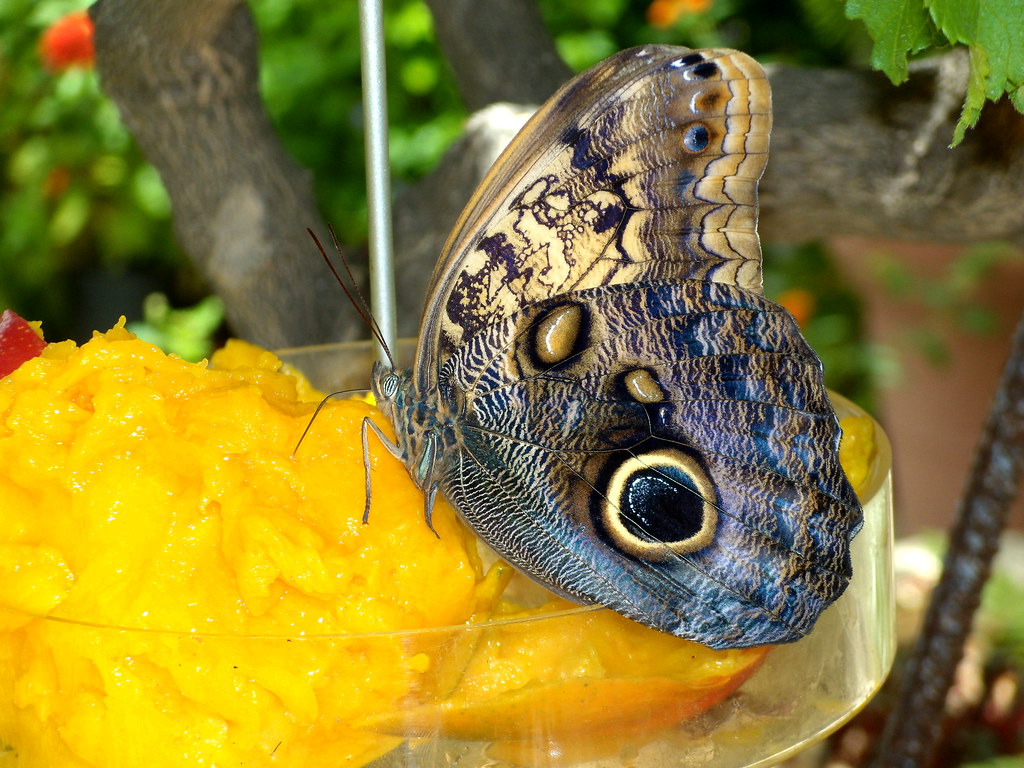
Here a Giant Owl (Caligo memnon) drinks from a mango at one our butterfly feeding stations. Many of the new butterflies in the Conservatory don't feed on flower nectar but prefer over-ripe fruit.
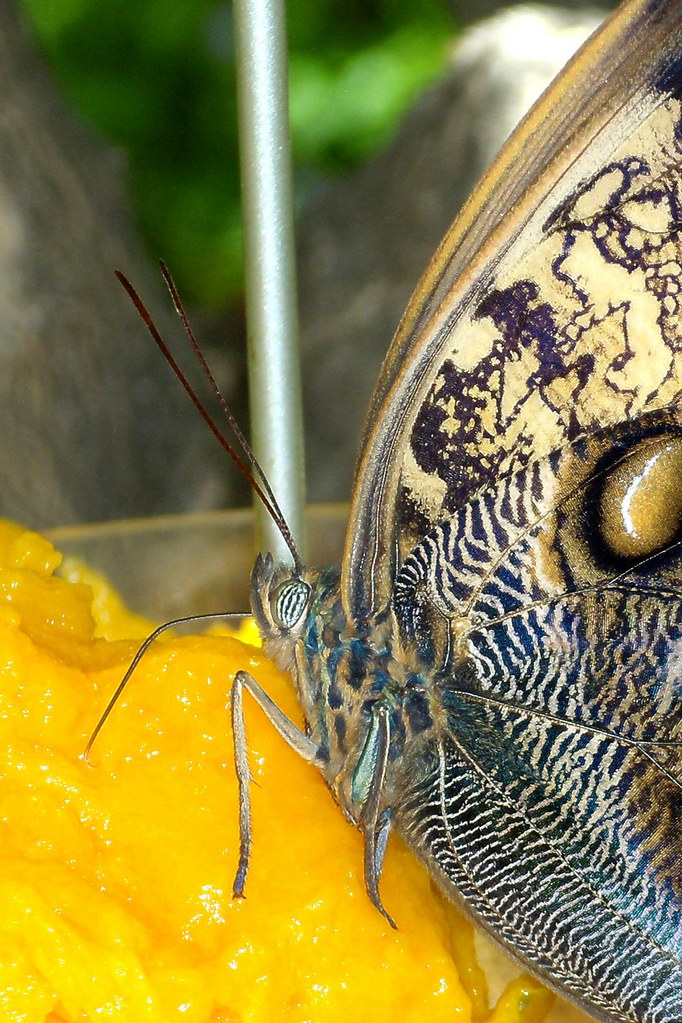
Here is a closeup of the butterfly's head so you can clearly see his straw-like proboscis bending into the fruit.
Owl butterflies have amazing markings upon close inspection!
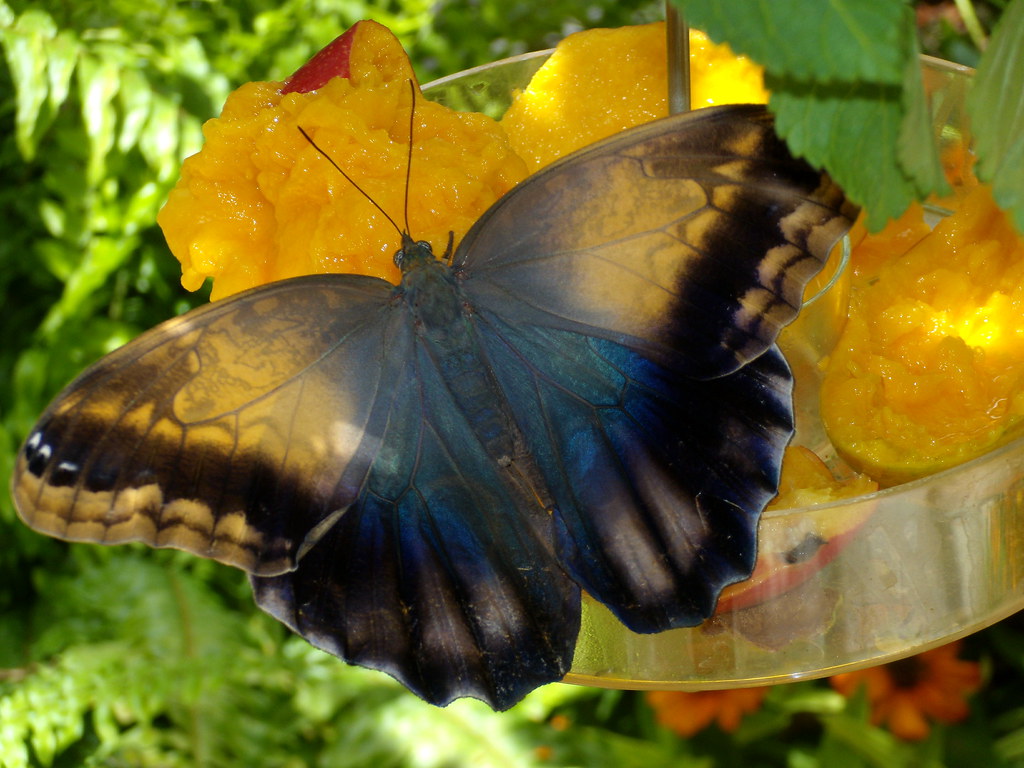
Owl butterflies rarely open their wings but when they do it is a photo opportunity! Our Receptionist and photographer Roland Thibault was there to capture this moment too when the Giant Owl opened his wings to show his amazing creamy-tan and smoky blue coloration. Owl butterflies are CREPUSCULAR -- that means they are most active at dawn and dusk.
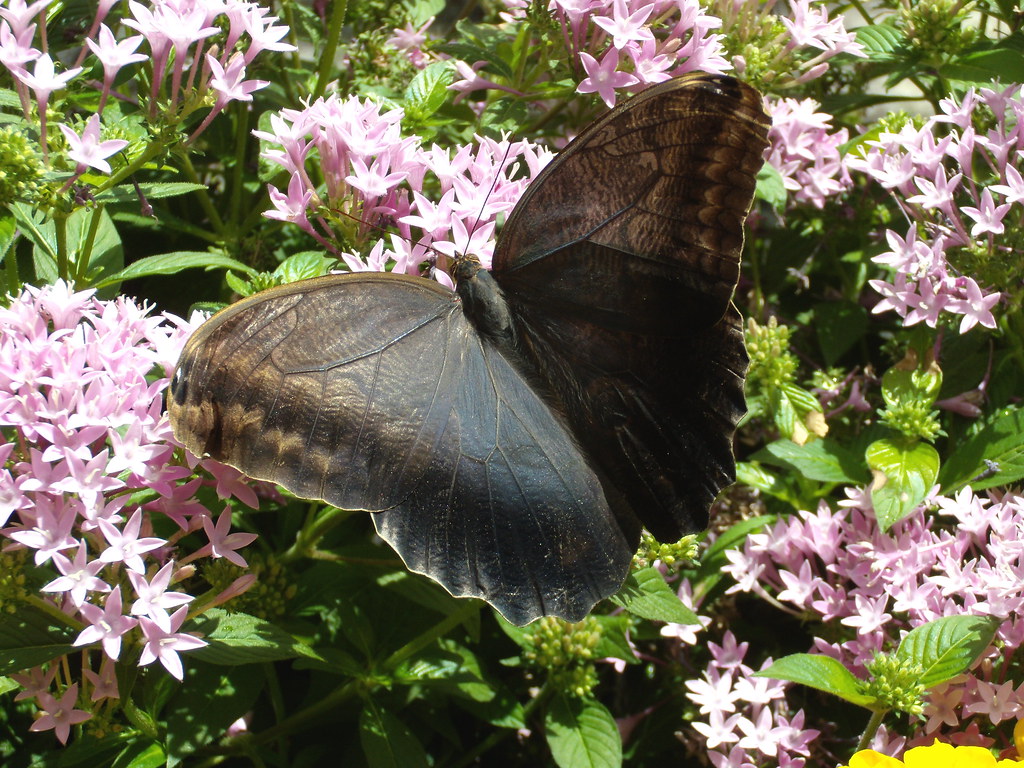
Though Owl butterflies look pretty similar with their big "owl" eyes, they are clearly different when they open their wings. This is the Forest Mort Blue Owl (Caligo eurilochus) with gorgeous slate-blue to iridescent blue -- you have to see it in person as the camera just can't capture its intriguing colors. Owl butterflies are BIG too, one third larger than the morphos!
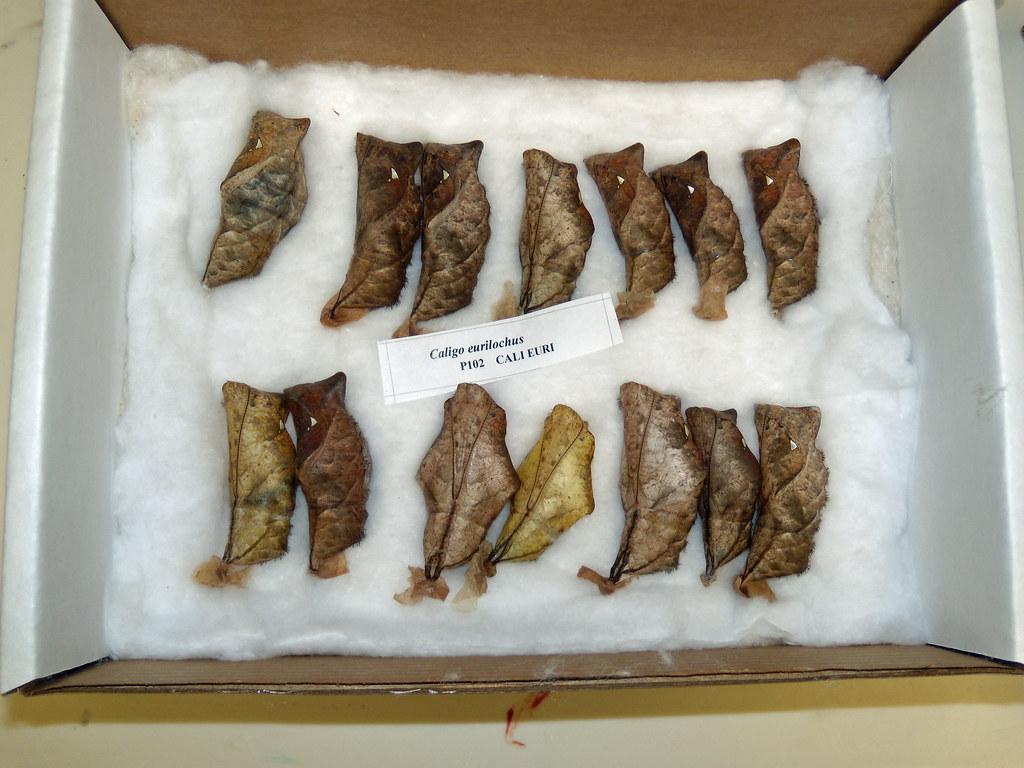
Here's how the Owl butterfly chrysalises or chysalids look when they arrive packed in a cotton-like material to keep them cool and undisturbed. Can you guess what they mimic? Turn this image upside down and that will help -- they mimic hanging bats, complete with silvery fake eyes that glow in the dark shadows of the rain forest where these butterflies originate. From the back they mimic a dead leaf complete with all the leaf veins. Of course, all our tropical butterflies are farm raised in Costa Rica, El Salvador, Columbia or Ecuador. We have USDA permits to have and display these imported creatures.
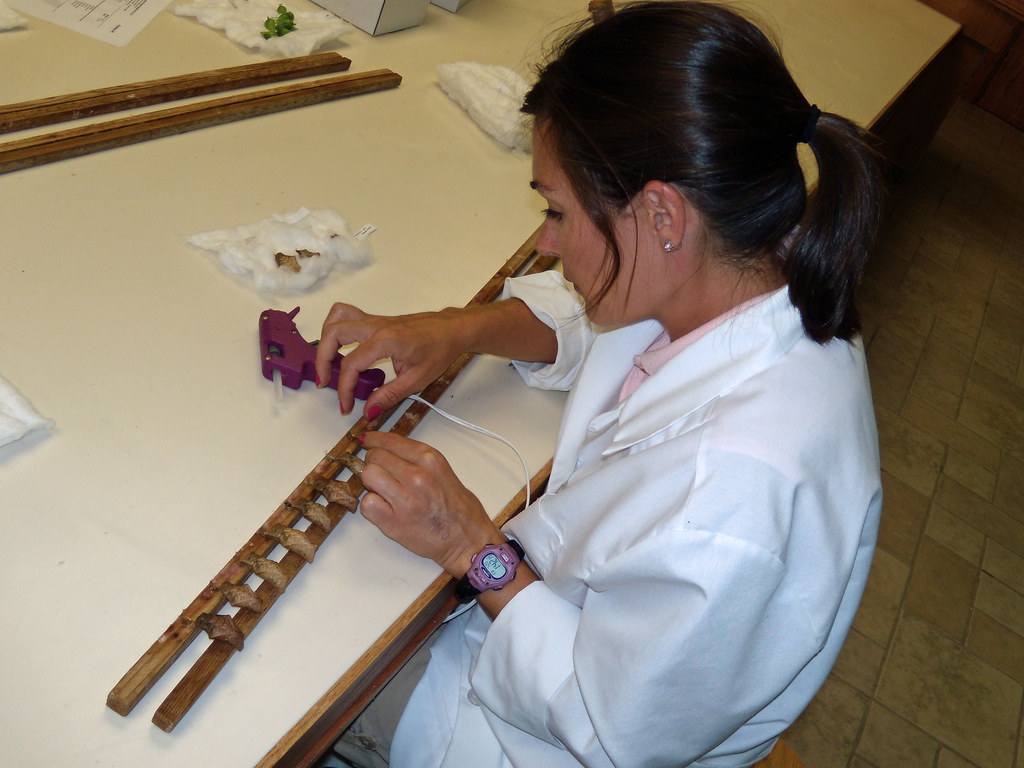
Stephanie Acers our Youth Education Coordinator is one of several staff trained and authorized to unpack and mount the chrysalises so they can emerge as butterflies. Yes, we actually glue the chrysalises to dowels that are placed in USDA approved emergence cases.

Donna Covell, Greenhouse Horticulturist, laughs while watering flowers (marigolds) for the Festival of Butterflies. This greenhouse has a cool cell in the back (the big brown rectangles behind her) that keep it cooler towards the back. Most of our butterfly plants must be watered twice a day in these extreme conditions.

Most of the flowers we grow to feed our butterflies are outdoors where Mother Nature does a great job of pest control. These are various Pentas which have very nectar rich flowers. We cannot use any pesticides which kill butterflies!
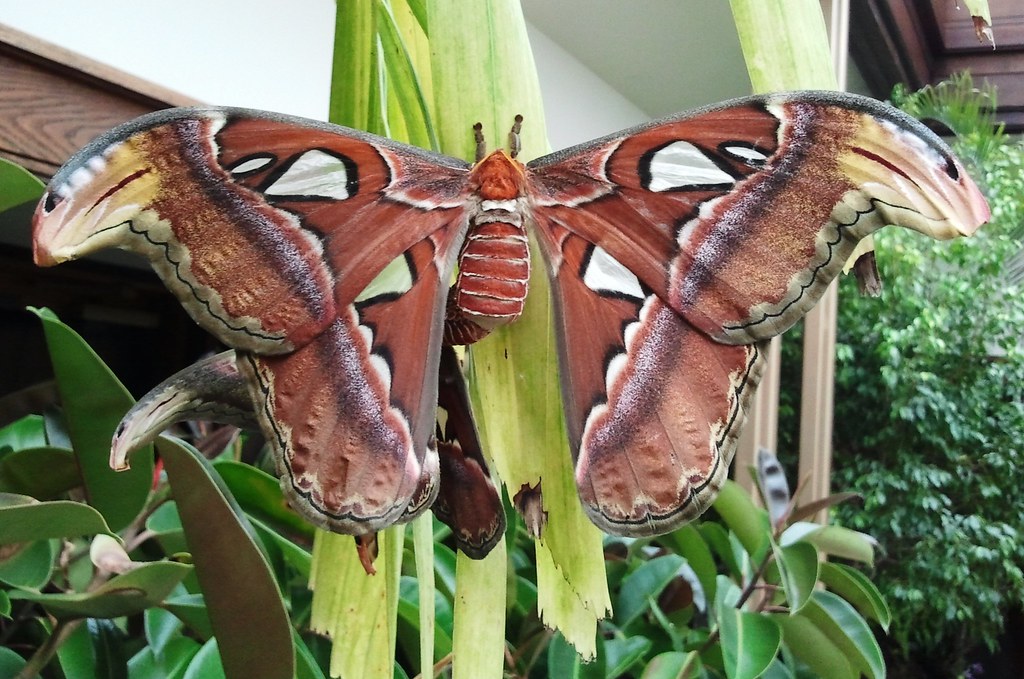
We have received 60 fresh Atlas cocoons from Malaysia and they have been emerging and this is one of our huge females which measures 12" across. Atlas Moths are considered one of the 3 largest moths on Earth.

This is a male Atlas Moth and males are much smaller as they do not have an abdomen full of 100's of eggs. You will see these up close during the festival but if you participate in our Moths and Milkshakes evening event you will get an even closer encounter.
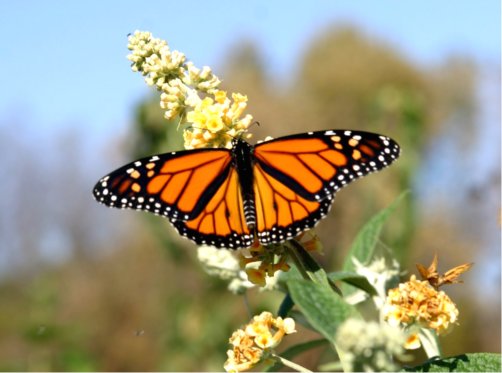
The native butterflies like this male Monarch are not faring so well with this season's drought. We conducted our annual North American Butterfly Association official butterfly count here on Saturday and found the fewest number of Monarchs in 10 years. There still will be plenty of Monarchs on display in the Caterpillar petting zoo and Monarch Watch tent during the Festival. How can you help the wild Monarchs? (see below)

We will have 2 types of tropical milkweed (Asclepias curassavica), 'Silky Gold' (pictured) and 'Silky Red' (off to the left and back in this image) for sale during the Festival. Tropical Milkweed are great nectar sources for migrating Monarchs and also good food for this season's last generation of caterpillars. As most native milkweeds have gone dormant or are struggling in the heat, these plants are lush and in bloom and will provide the perfect food for migrating Monarchs. Just plant them near where you can readily water them or put them in containers on your porch or patio and enjoy the butterflies they attract. We will also have various colors of butterfly bush for sale which is a great nectar source for Monarchs and almost all other butterflies as well.
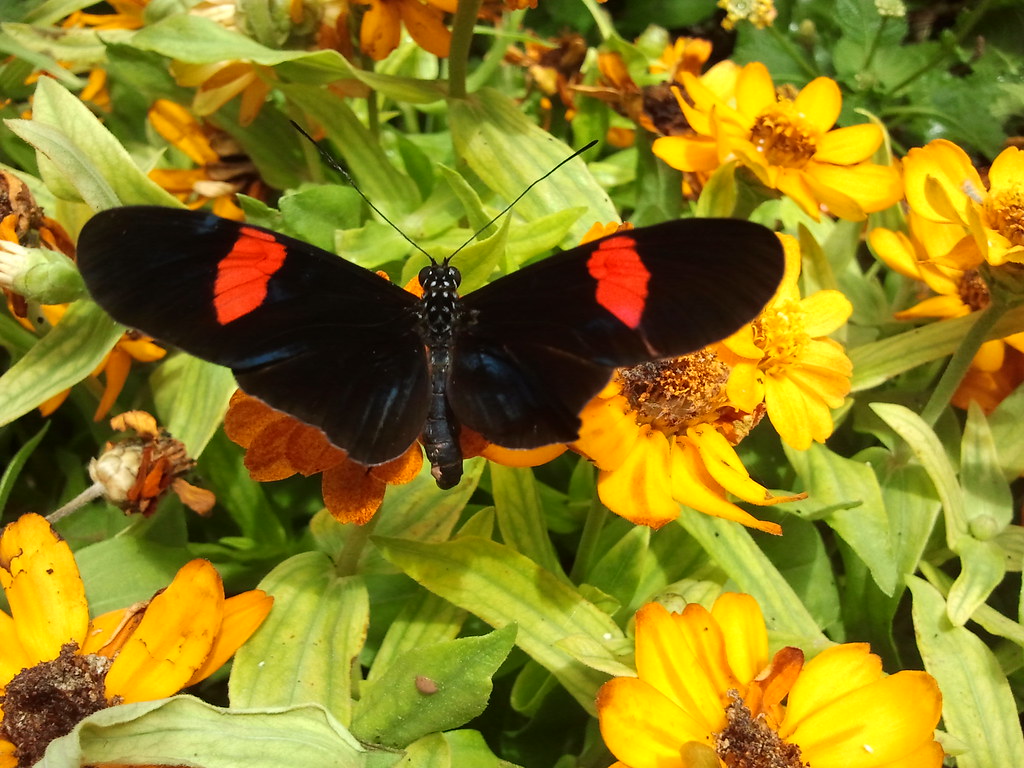
Here's another one of our new butterflies: one of the forms of the Postman Heliconian. The Festival of Butterflies opens Friday, August 3rd at 9 a.m. and we hope to see you here to celebrate butterflies, one of the most beautiful creatures one can find in a garden.
Wednesday, August 1, 2012
Festival of Butterflies 2012!


Friday, July 6, 2012
What's Up With the Oaks?
Isn't this heat wave getting old? That's a pretty poor question for what is at stake for the region as we now are classified as SEVERE drought. EXTREME drought is the next category that Western Kansas and Southeastern Missouri are now experiencing. It's painful to watch the important agricultural crops wither all around. We are able to water most of the horticultural crops at Powell Gardens and our gardens are holding up well thanks to a hard working and committed horticulture staff. Kudos to them!
I am surprised by how one group of native trees is handling the situation. Oak trees are not withering but putting on NEW growth!


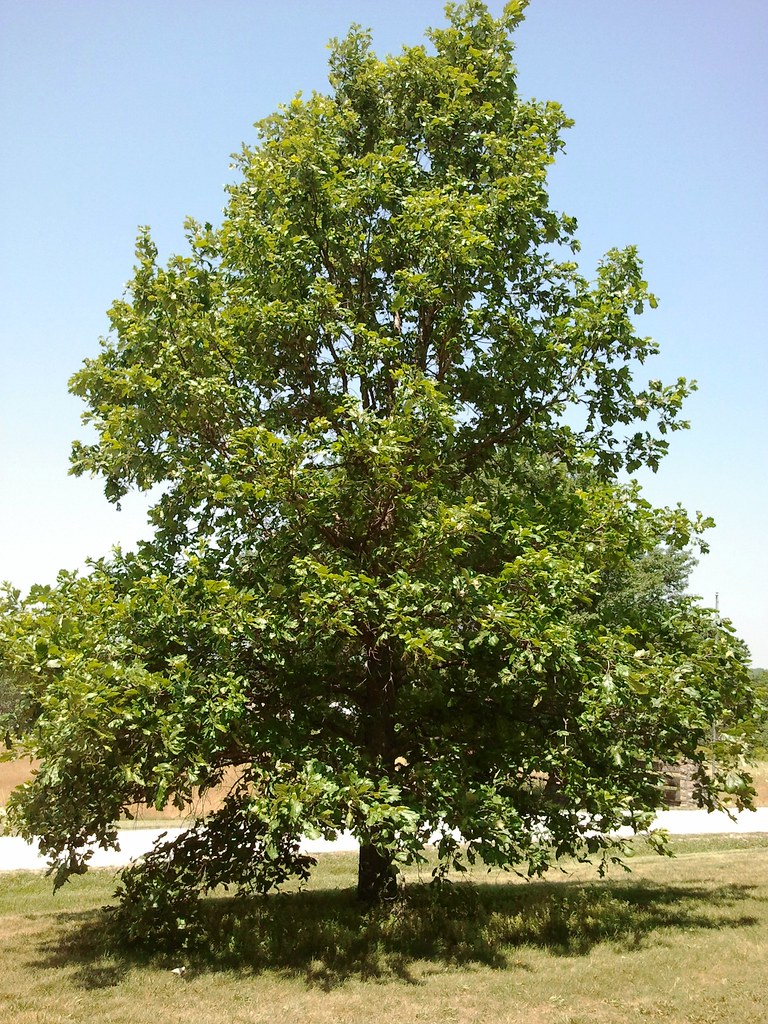
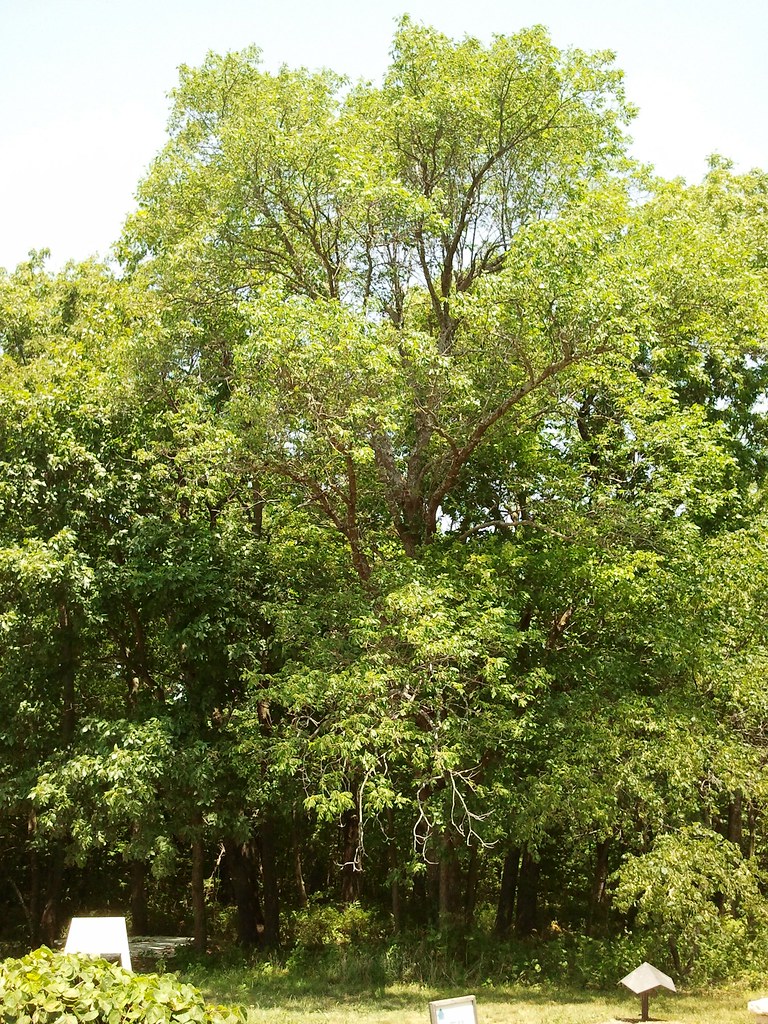
Powell Gardens Parking Lot Arboretum contains 96 oak trees comprising 16 of Missouri and Kansas's 21 species of native oaks and virtually all of them are not just enduring the heat and drought but putting on new growth. I noticed that the River Birches (Betula nigra) were shedding leaves to conserve water.
Does this mean anything? Was it caused by conditions earlier in the season or do they know something we do not? I would love to be an optimist and that they fortell a change in the weather pattern that would bring a monsoon flow and returning rains to the region. Time will tell. I can say that oaks are one tough tree once they are established so no wonder that they were the dominant tree in the region when the settlers first came here.
My friend Leah Berg said this reminds her of a talk by America's tree expert, Guy Sternberg on a recent talk for Gardener's Connect / Garden Center Association. Guy explained a need to plant more heat resistant trees as our climate warms. He recommended oaks for such and I sincerely concur.
Thursday, June 28, 2012
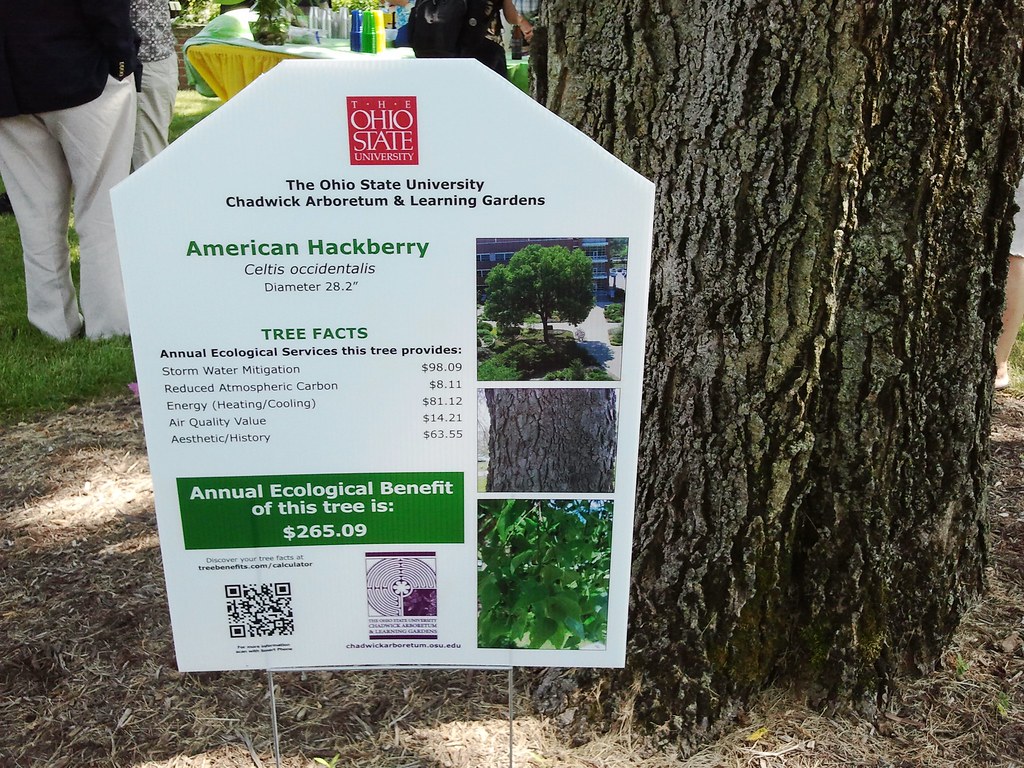
The Value of Trees
We are now in the throws of a HEAT WAVE with temperatures flirting with 100F or more with a forecast for it to last at least a week. Heat waves near the summer solstice are especially brutal on us and plants because the days are so long. Trees have enormous value to us in times like this as their shade is the cheapest air conditioner available!