Showing posts with label fall flowers. Show all posts

Friday, October 22, 2010

Placid Waters of a Benevolent Autumn

Since the last week of September we have enjoyed an exceptionally benevolent fall of mild, dry weather. The colors of autumn plants reflect beautifully in the placid waters of our lake with crystal blue skies overhead.


The views of our chapel never get old and are glorious in every season.

The Island Garden is a study of fall's finest colors when viewed from the Perennial Garden on the opposite shore. An image from our Island Garden will grace Fine Gardening magazine's 2012 national calendar!

The Visitor Center's flower beds are now all in fall attire and the plants are lush and full responding to the marvelous weather. Here mums, cabbage and lettuce create a gorgeous ornamental composition.
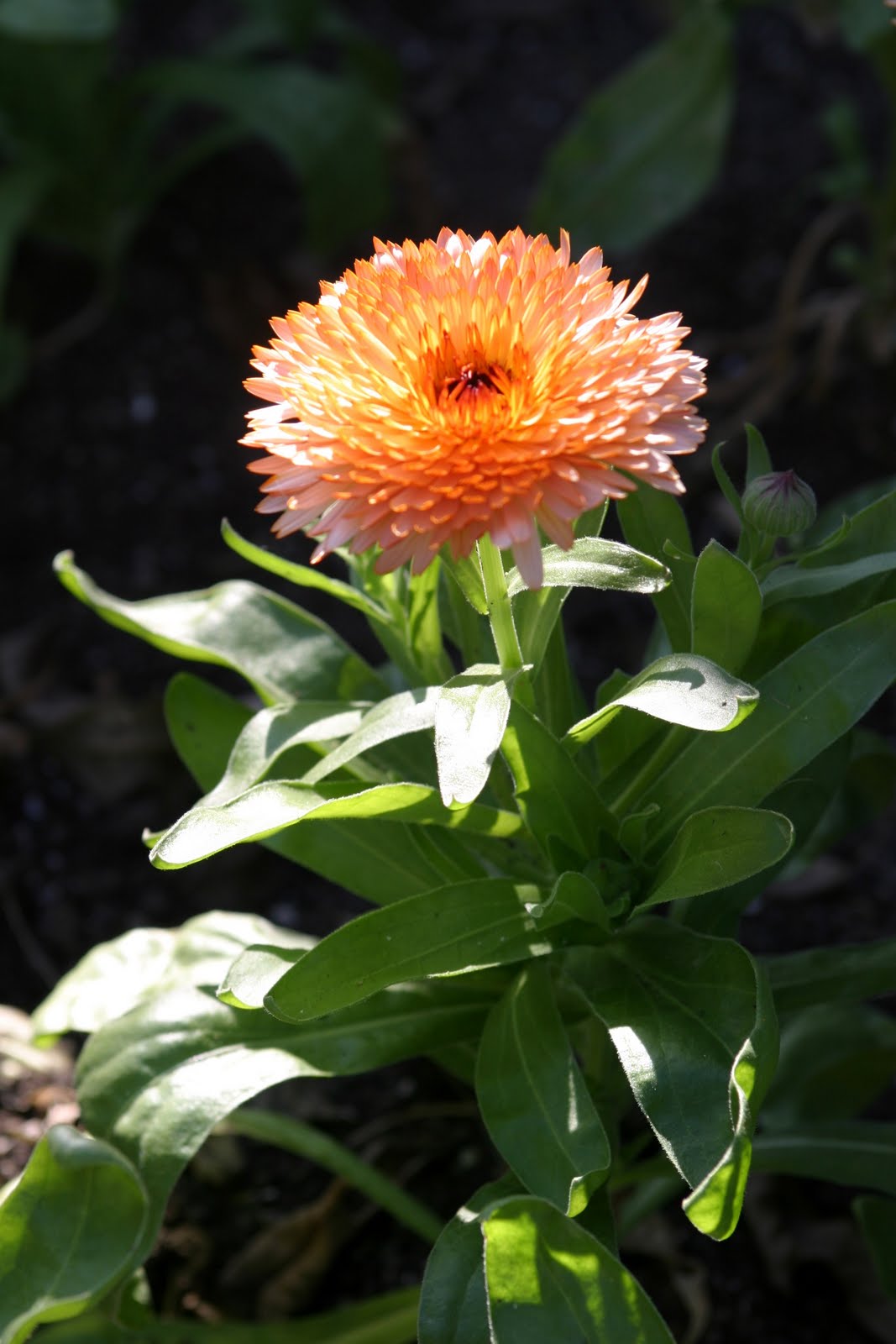
All the plants on display are tolerant of frosts and light freezes. This calendula is one of those tough flowers we all should grow in our gardens in spring and fall to extend our floral season. No frost blankets required!

All Purple Mexican Bush Sage (Salvia leucantha 'Santa Barbara') blooms only in the short days of autumn but is tender to a freeze. The flowers are soft and fuzzy to the touch and actually freeze dry on the plant quite nicely after Jack Frost does visit.

Butterflies and honeybees are in almost unprecedented abundance at the remaining flowers of the season. This Honeycomb Butterflybush (Buddleia x weyriana) is hosting a Common Buckeye (the eyed butterfly) and several Honeybees. Yes the buckeye butterfly often lands upside-down on flowers -- probably so its ornamental eyes look scary to a potential butterfly-eating predator.

A late Monarch drinks nectar from another Honeycomb Butterflybush. Fatten up on nectar and hurry off on your migration to Mexico. We wish you a safe journey and hope to see you back again next spring! The insectaries gardens around the Fountain Garden are a great place to observe many late season butterflies.

Unharvested Okra provides ornament in the color scheme of the entrance area of the Heartland Harvest Garden. This Millstone Fountain and Fountain Garden overlook area has a color scheme of blue and yellow in case you didn't notice.

The fall vegetable "greens" are lush and colorful throughout the Heartland Harvest Garden. Who says edible landscapes can't be beautiful! The mustard greens and kale in this image are delicious too.

Sage (Salvia officinalis) and naturally drying Mardis Gras Globe Amaranth (Gomphrena haageana) make beautiful companions in Rosalind Creasy's Author's Garden in the Heartland Harvest Garden. Rosalind's 1980's groundbreaking book The Complete Guide to Edible Landscaping comes out completely revised for the times on November 1 (8 short days!). I have a preview copy and it is awesome so go out and get yourself a copy or put it on your holiday wish list. Powell Gardens is sited in the books several times for the Heartland Harvest Garden and the Island Garden's living wall of many herbs.

More good news: the Perennial Garden has added interpretive signage describing all its themes and borders. Next year will be the 20th Anniversary of this beginning garden of Powell Gardens. Stay tuned for further updates and stories about our oldest, 3-1/2 acre garden gem.

The Perennial Garden is a great study in perennials but also holistic garden design as it has such great "bones" of paths, walls, arbors, and perennial woody plants from deciduous shrubs and trees to evergreens. It is a garden truly designed for all seasons and glorious in each. Everyone can learn good garden tips by a visit to this garden. Here crabapples decked in fall fruit provide a great backdrop of seasonal color.

Tatarian Aster (Aster tataricus) is one of our majestic late autumn bloomers but don't be deceived by the picture -- the plant is easily 6 feet tall! It provides great nectar for the season's last bees and butterflies. Native to Japan, Korea, Northern China, Mongolia and eastern Siberia, this is one hardy plant.

Flamingo Maiden Grass (Miscanthus sinensis 'Flamingo') shows its pink seed heads above the plant like its namesake bird. This cultivar of Miscanthus is still virtually unknown in Kansas City Gardens but is a great one you can see in the New Millennium border of the garden (and now you can locate that border of plants with our new signage!). The New Millennium border showcases new cultivars or underutilized varieties like this.

The fall-blooming Japanese Anemones are in bloom still too. This is the very large and lovely cultivar 'Party Dress' you can see in the Woodland Garden section of the Perennial Garden.

Don't forget to stop at the Perennial Garden's lakeside arbor for your final reflection of the garden in our placid waters. From its colorful containers to its comforting cloak of wisteria greenery, it is always a great place to end your visit to Powell Gardens.

Thursday, October 14, 2010

Autumn Visions in the Garden

Mid Autumn is already here and the weather has been simply spectacular. The colors of the season are starting to charm the visitor and speak to the spirit of this Midwestern Garden.

A Cherokee Sunset Flowering Dogwood (Cornus florida) shade a patch of vibrant impatiens for some striking color combinations. Look for this composition near the Hummingbird Garden outside the Visitor Center.

Purple Dahlia Zinnia (Zinnia elegans) continues to thrive and bloom in the Hummingbird Garden even though our hummingbirds have all migrated southward. This is one of two seed strain Zinnias we love for nectaring butterflies and hummingbirds as well as for disease resistant foliage. Most zinnias would be rubble mired in mildew after this past wet season.


Mexican Sunflowers (Tithonia rotundifolia) continue to sport their velvety orange blossoms so apropos for the season. I like the background of burgundy Flowering Dogwood fall foliage in this shot from the Hummingbird Garden.
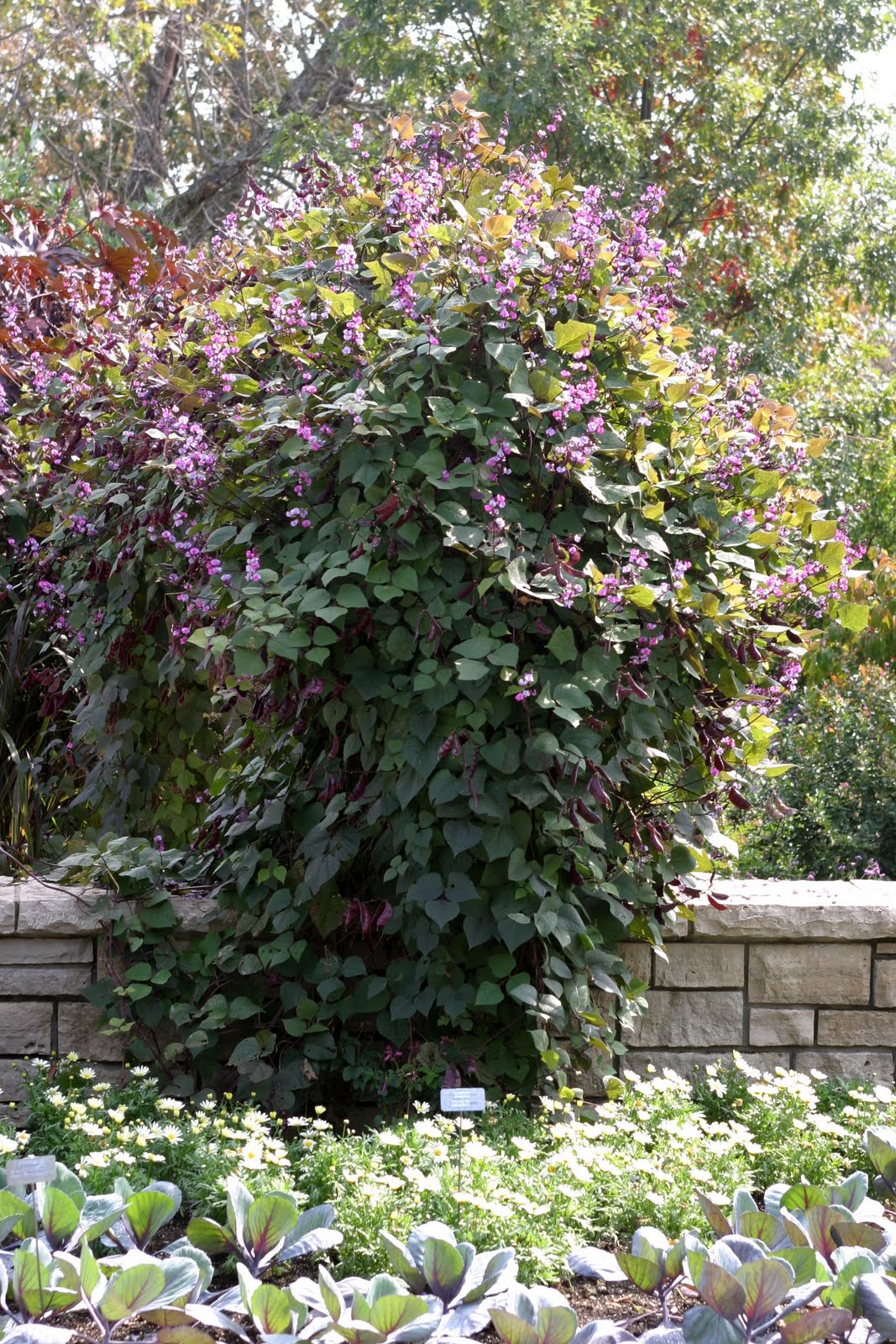
As long as Jack Frost stays away, our overhead arbor of Purple Hyacinth Bean (Dolichos lablab) in flower and fruit will greet visitors on their way from the Visitor Center to the Dogwood Walk.

A walk down the Dogwood Walk to the Island Garden is well worth the exercise! The views from the Island Garden to the chapel are stunning when framed by Maximillian's Sunflower and prairie grasses at the peak of their fall colors.

The Aromatic Asters (Aster oblongifolius) in the Island Garden's living wall's eastern end are awash in bloom. Make sure to look at all the butterflies and beneficial insects visiting the flowers as you walk past.

The meadow is in full autumn attire with blooming asters (New England Aster Aster novae-angliae depicted) with various seedheads (Illinois Bundle Flower Desmodium illinoiense) and grass seed heads (Giant Foxtail Setaria italica) set off by billowing masses of local prairie grasses.

Many of our oak trees are just starting to turn colors like this stalwart Post Oak (Quercus stellata) growing on the edge of the Rock & Waterfall Garden. This is one of our toughest native trees and should be planted more often but doesn't conform to nursery production. It is a tree that withstands everything that Mother Nature can throw at it from heavy ice load to extreme heat and drought.

Shagbark Hickories (Carya ovata) are also turning shades of yellow and are another tried and true native tree here. They also don't conform to nursery production so are never available for homeowners to plant. Look for many of these trees with classic shaggy bark in the Rock and Waterfall Garden.

The Pawpaws (Asimina triloba) are also turning their characteristic shades of pale yellow in the understory of the Rock & Waterfall Garden. This tree is becoming more popular in gardens as edible landscaping themes gain mainstream acceptance. If you've never eaten a pawpaw fruit before, be sure and visit Powell Gardens next early to mid-September next year to sample a pawpaw at the tasting stations in the Heartland Harvest Garden.

Grasses are a mainstay of local autumn gardens and here huge 'Guilded Tower' Giant Miscanthus (Miscanthus x giganteus) stands left of lovely 'Autumn Red' Miscanthus (Miscanthus sinensis) near the Perennial Garden trolley stop. Note the heavily fruited 'Centurion' Crabapple in the background which adds to the autumn colors of this composition.

Tall Tails Fountain Grass (Pennisetum orientale) always is a fun blast of seedheads in this season. Look for this mass with complimentary crabapple and chrysanthemums also near the Perennial Garden trolley stop.

'Hameln' Fountain Grass (Pennisetum alopecuroides) also acquires some nice fall hues and looks great with various chrysanthemums in the Perennial Garden.

Many shrubs throughout the gardens are studded in autumn fruit. This is a rare cultivar of Missouri native Southern Arrowwood (Viburnum dentatum) called 'Firework' because the stems of the blue berries are bright red.

Another Viburnum with striking fruit now is the Linden Viburnum (Viburnum dilatatum): this is the heavy fruiting cultivar 'Asian Beauty.'
The weekend is supposed to continue our spectacular streak of gorgeous fall weather so be sure and consider a visit to Powell Gardens and experience its gorgeous autumn visions.


Friday, September 24, 2010

Garden Serenity


The Marjorie Powell Allen Chapel set between seasoned prairie grasses, early fall woodland and placid lake epitomizes Powell Gardens' tranquility. There is a reason the gardens are a road trip for the soul. I rarely get a chance to photograph Powell Gardens in the morning but finally got that opportunity today. It was one of Horticulturist Richard Heter's five good things from a previous blog that I never got captured to share.

The Island Garden Arbor looks especially inviting on this rare crisp morning this season. Temperatures have been nearly 10F higher than an average September and rainfall broke 9.5" for the month as of last night! It has created a lush, peaceful garden.


The ants are still marching past the Meadow Pavilion. Only two more weekends to view these marvelous "Big Bugs" sculptures.

I had to show a photo I took last Saturday (Sept. 18) of the spectacular thundershowers that formed that summery afternoon. These "Missouri Mountains" created a spectacular experience as you walked through the gardens. The sky is much of the beauty of Powell Gardens and we are one of only a few major public botanical gardens that have the space to show it off. We think it captures our spirit of place on the edge of America's Great Plains.

The Island Garden's water plants are in prime form and what a play of reds and purples here: purple-rimmed dinner-plate leaved Victoria Waterlilies, robust fountain-like Red-stemmed Thalias (Thalia geniculata) in the pools with purple-leaved Diabolo Ninebark and red-fruited Zumi Crabapples in the background. There are probably only a couple more weeks of a spectacular show of water plants on the Island Garden too.

Native wild sunflowers have set much of the regional landscape full of added sunshine. This Maximilian's Sunflower (Helianthus maximiliani) in the Powell Gardens meadow has a native praying mantis facing downward on its stem if you look close. I encourage you to SMELL the blooms of these wildflowers: a delightful whiff of cocoa awaits! Be sure and smell the roses so to speak to get the full dose of a Powell Gardens experience.

Wonderful self-sown Gauras (Gaura lindheimeri) have added sparkle to the Island Garden. From standard white to this pink-flowering form, they add a airy bit of serene color to the garden.

Lovely Colchicums have burst forth in bloom through groundcovers of Hardy Plumbago (Ceratostigma plumbaginoides). What delightful companions these two plants create in the garden. In early spring the colchicums have huge green leaves which fade by late spring when the plumbago finally wakes up to take over the show. They both send off the season with a duet of beautiful flowers as sweet as any garden pairing.

Here's a different species of Colchicum also paired with Hardy Plumbago: we haven't met a colchicum we didn't like. Make sure you make a date to visit Powell Gardens in the next couple of weeks to enjoy the full bounty of this phenomenal growing season and experience the added bonus of the Big Bugs sculptures. We all can use this place of peace and serenity in our busy lives.

Tuesday, October 27, 2009

Peak Fall Color 2009!

Fall colors have been "the best ever" as described by gardeners and locals alike. We attribute this to a wonderful growing season with only a small dry spell in September followed by unprecedented cool weather and over 6 inches of rain already in October at the Powell Gardens' weather station.


Here's an overview of the fall attire of the Powell Landscape. Prairie grasses tawny and oak-hickory woods in russets and browns while the baldcypress (right side of image) is already its classic rust -- not coloring up before November here in more than 10 years.


Powell Gardens does not have many maples but this 'Red Sunset' Red Maple (Acer rubrum) east of the Visitor Center was blazing red. This tree is over planted in Kansas City but its fall color explains why. All maples have dense surface roots making them difficult to garden (or grow lawn) under.


Osage-Oranges (Maclura pomifera) show good yellow fall color this year and this female tree east of the Visitor Center has dropped a nice collection of her chartreuse green "hedge ball" fruit. The tree is simply called "Hedge" by the locals. If you hike the Powell Gardens nature trail you will experience wonderful old hedgerows of this tree. If your tree has never born fruit, it is most likely a MALE tree.


Dogwoods are Powell Gardens' finest trees for fall color and the colorful tree in this picture is the hybrid cultivar 'Ruth Ellen' (Cornus x rutgersensis) Look for all types of dogwoods along the "Dogwood Walk" between the Visitor Center and the Island Garden.


Flowering Dogwoods (Cornus florida) are studded with bright red berries though robins have been busy gobbling them up to fuel their southward migration.


Oriental Kousa Dogwoods (Cornus kousa) grace the lower part of the dogwood walk and display some of the finest blends of warm colors now.


Hillside Sheffield Pink Mum (Chrysanthemum coreanum hybrid 'Single Apricot') foreground sets the stage for the bridge to the Island Garden with a rusty fall Baldcypress in the background.


There are still lots of flowers in the gardens because there has been no severe freeze yet. Champlain Rose, one of our favorite red landscape roses is a hybrid from the Morden Experiment Station in Manitoba, Canada. All of the "Morden" roses are some of the best performing roses at Powell Gardens.


The Conifer Garden at the north end of the Visitor Center looks at its best now while the tapestry of groundcover sedums are in fall color. The glowing yellow-needled Chief Joseph Pine (Pinus contorta) is a beacon of yellow in the fall and winter landscape -- it turns green in the summer.


A closeup of the Conifer Gardens' tapestry of sedums show coral fall colored 'Weinstephaner Gold', red 'Voodoo' and yellow-green 'Angelina' Sedums.


Barbara Fetchenhier, Gardener in the Heartland Harvest Garden stands next to our Flying Dragon Hardy Orange (Poncirus trifoliata). You can see a few small "oranges" on the tree (mainly lower left). This hardy citrus has musky-lemon scented fruit that can be made into a "Kansas City Orange Pie" according to our former Gardener Chris Conatser who now works at culinarily renowned Justus Drugstore in Smithville. More on this unique shrub / small tree in a future blog.


Asian Pears (Pyrus pyrifolia 'New Century') have turned some nice shades of yellow in the Heartland Harvest Garden. Who says edible plants aren't ornamental!


My favorite fall tree in the Heartland Harvest Garden remains the Nikita's Gift Persimmon from the Ukraine. A hybrid between our wild persimmon and the unhardy Oriental one in the grocery store, it combines the attributes of both and is simply gorgeous on the tree in late fall. It's delicious when tomato red ripe too!


While exploring the Heartland Harvest Garden seek out the Medlars (Mespilus germanica) in the Missouri Star Orchard. This weird fruit related to our hawthorns is only edible after it has fallen and rotted a bit -- then it has a apple sauce-like flavor.


Wow, another vivacious fall flower: Alpha Calendula (Calendula officinalis) can be seen in the Heartland Harvest Garden's Kitchen Garden south of the barn (it's an edible flower!). All of the fall seasonal flowers are planted out in the Heartland Harvest Garden and around the Visitor Center. YES there are many wonderful cool-loving, frost tolerant flowers for local gardens that easily last through Thanksgiving.

A fall-blooming species crocus got mixed in with a purchase of saffron crocus bulbs.

We planted 1,000 Saffron Crocus (Crocus sativus) in the Kitchen Garden's "tapestry of thyme" -- and a couple did bloom this fall but most should not bloom until the following fall. The beautiful red-orange stigmas in the center of the flower are what true saffron is made of: the most expensive spice in the world. Matt Bunch describes the flavor as "sweet buttery green tea." Spice up YOUR life with a visit to Powell Gardens in full fall attire!