Showing posts with label Heartland Harvest Garden. Show all posts

Thursday, May 31, 2012

Summer's Early Start

The warmest spring in history has brought about the earliest flowering and fruiting ever recorded for many plants at Powell Gardens.  Meteorological "Summer" begins on June 1st and a visit to the gardens now will reveal some shocking plants at their prime nearly a month ahead of "normal" schedules.  The pulsing buzz of the dog day or scissor-grinder cicada can already be heard -- normally a sound of the Dog Days of summer.
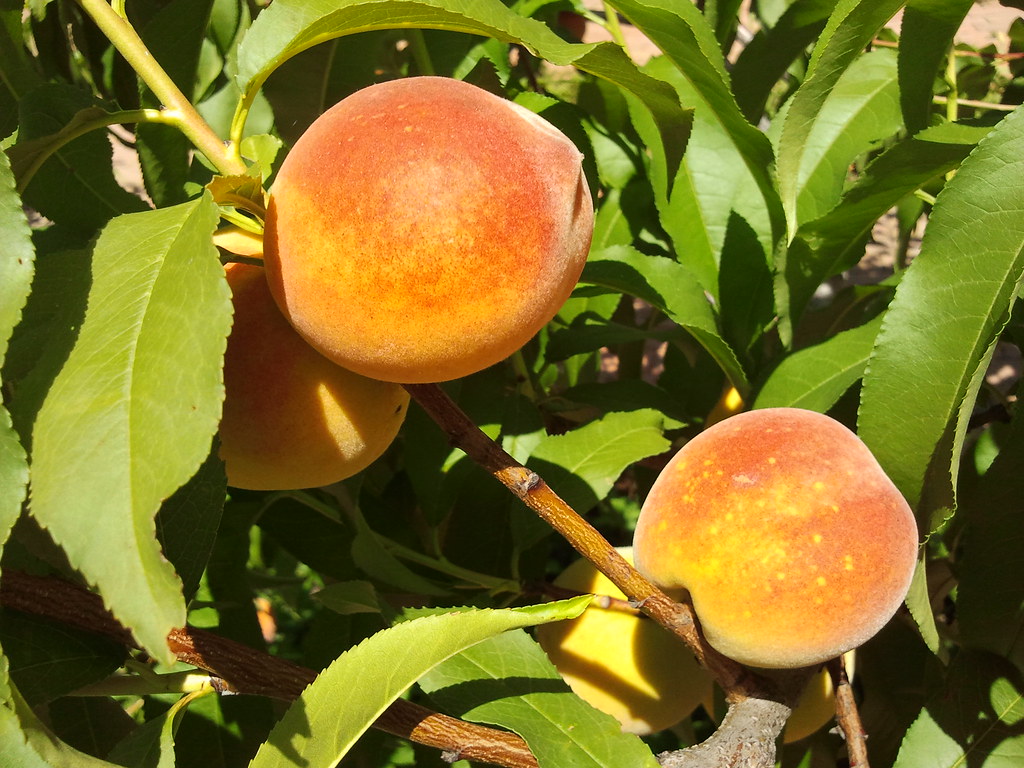


Peaches ripe in May?  Yep, that's a first and what a welcome to summer's early start at Powell Gardens!  These are 'Harrow Diamond' Peaches from Canada and have proven a hardy, flavorful and EARLY variety for our region.  Try a taste of fresh peaches at the Heartland Harvest Garden's tasting station and check at Refresh-- the snack shop at the Missouri Barn to see if any are for sale to take home too.
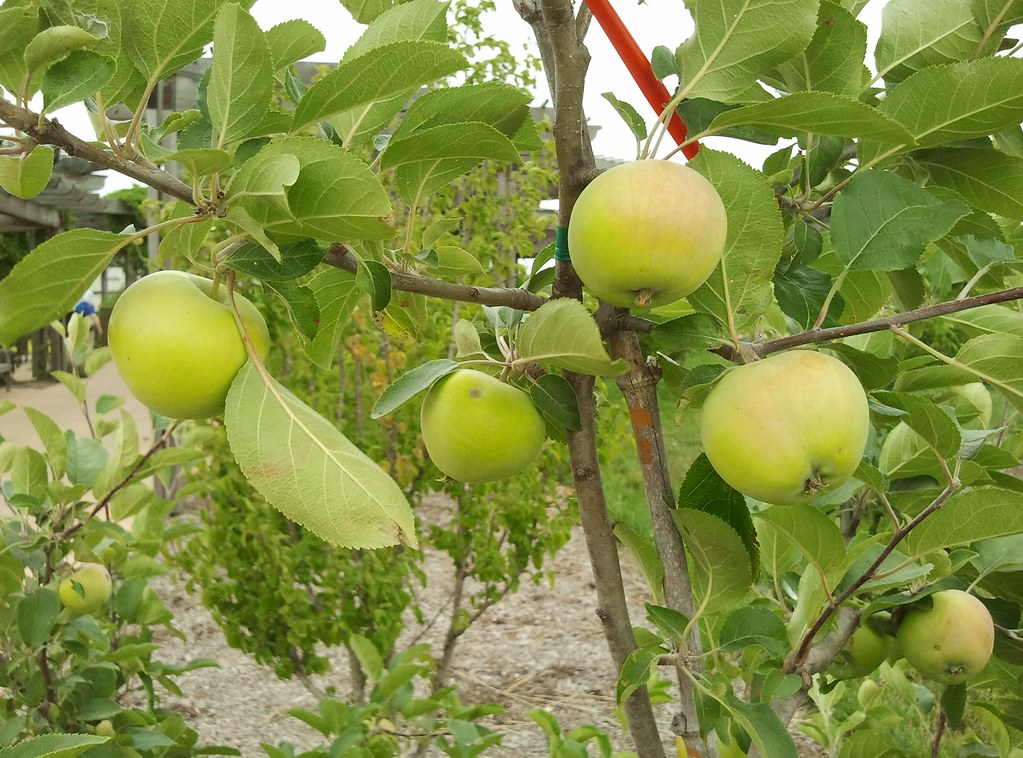
Apples are showing surprising sizes already too.  Here are some 'Yellow Transparent' Apples in the Quilt Gardens.  'Lodi' is our earliest apple in the Heartland Harvest Garden and I can see it will be ripe and ready for fresh baked good in just a couple weeks!


These are not raspberries but ripening Blackberries -- usually a fruit of much later, it won't be long until these are ready for picking (they turn black when ripe).  The abundance of berries in the garden is astounding after our mildest winter AND spring on record.
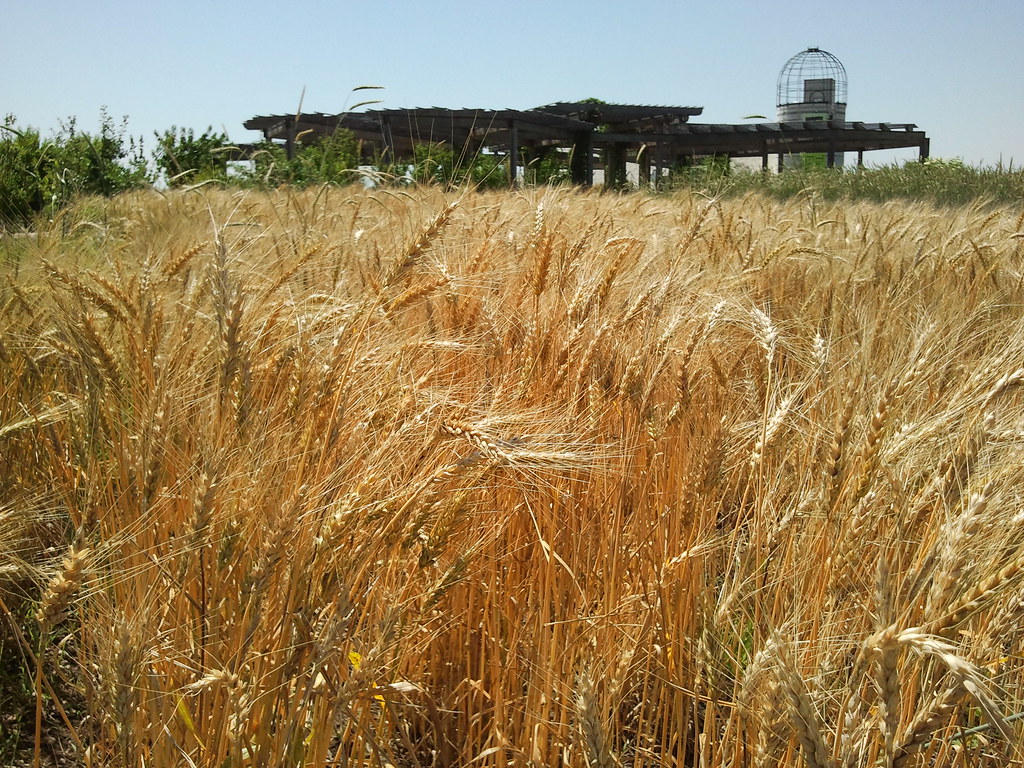

Ripe winter wheat in the Old Missouri Quilt Garden is also a first for this early.  Here's your chance to see this beautiful grass up close and be sure to see its contrasting color enhancing the quilt pattern of the garden when viewed from the Silo's observation deck.
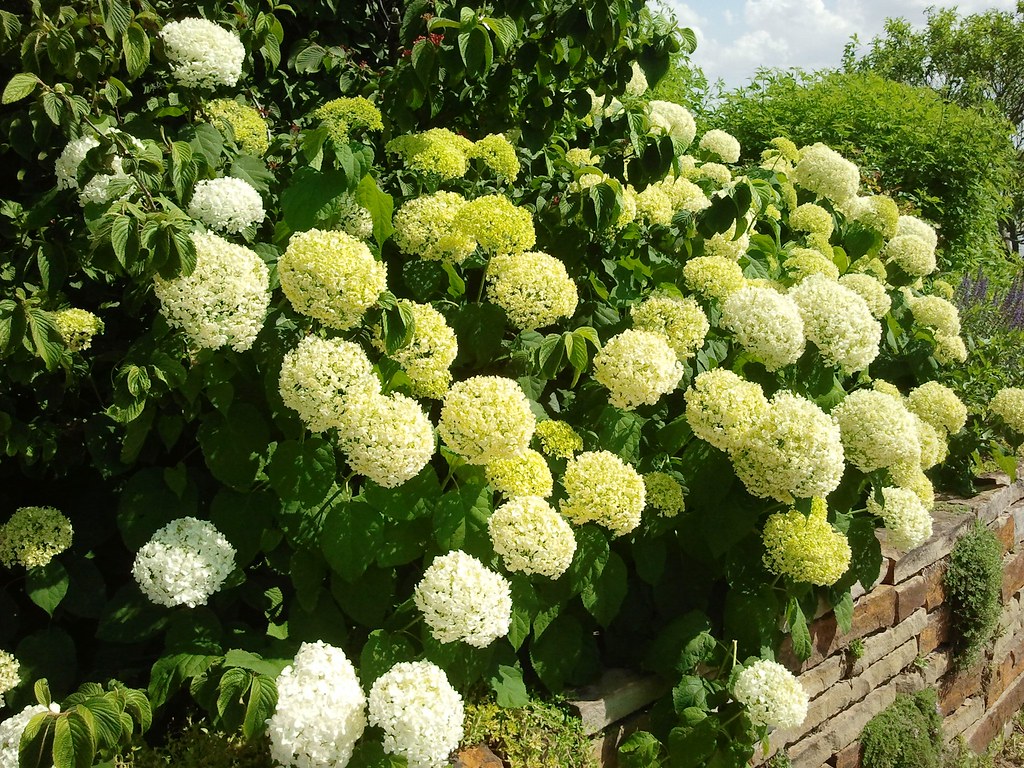

The flouncy puff balls of the Annabelle hydrangea's flowers are making their change from lime to cream and white so are at their peak of beauty in the garden.  Normally a flower of midsummer they are a sight to savor now on the Island Garden.
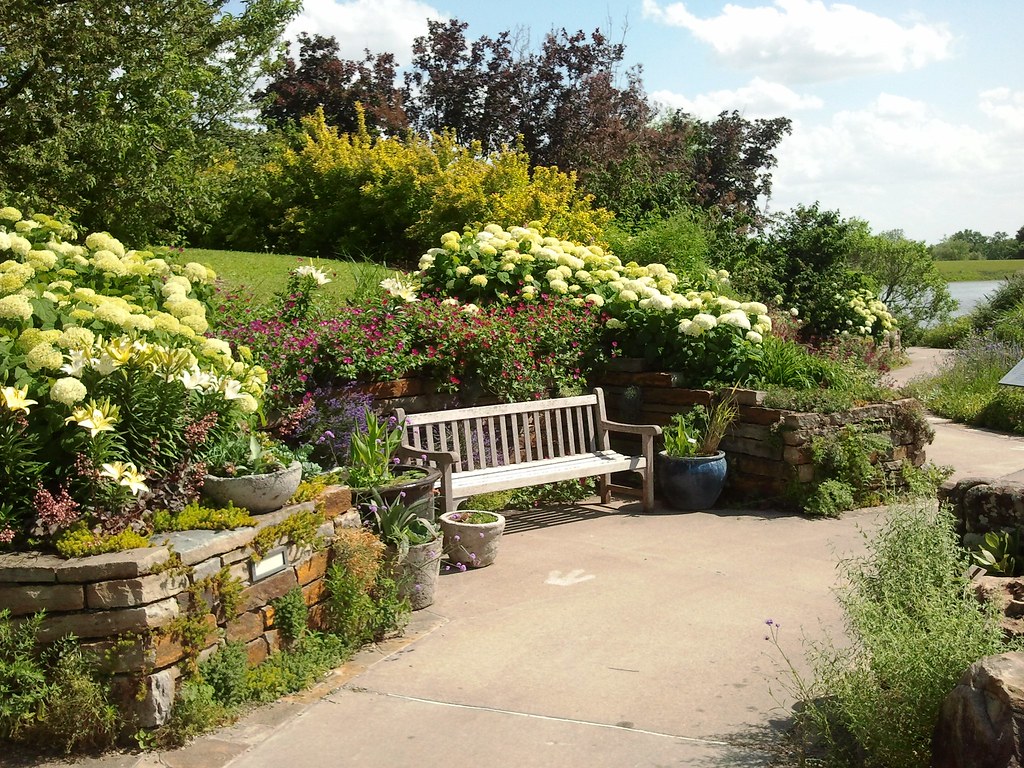

Come sit a spell on the Island Garden and find yourself ensconced in flowers in all shapes and sizes from little cuties on the living wall to the waterlilies in the pools and of course be among the gorgeous hydrangeas.
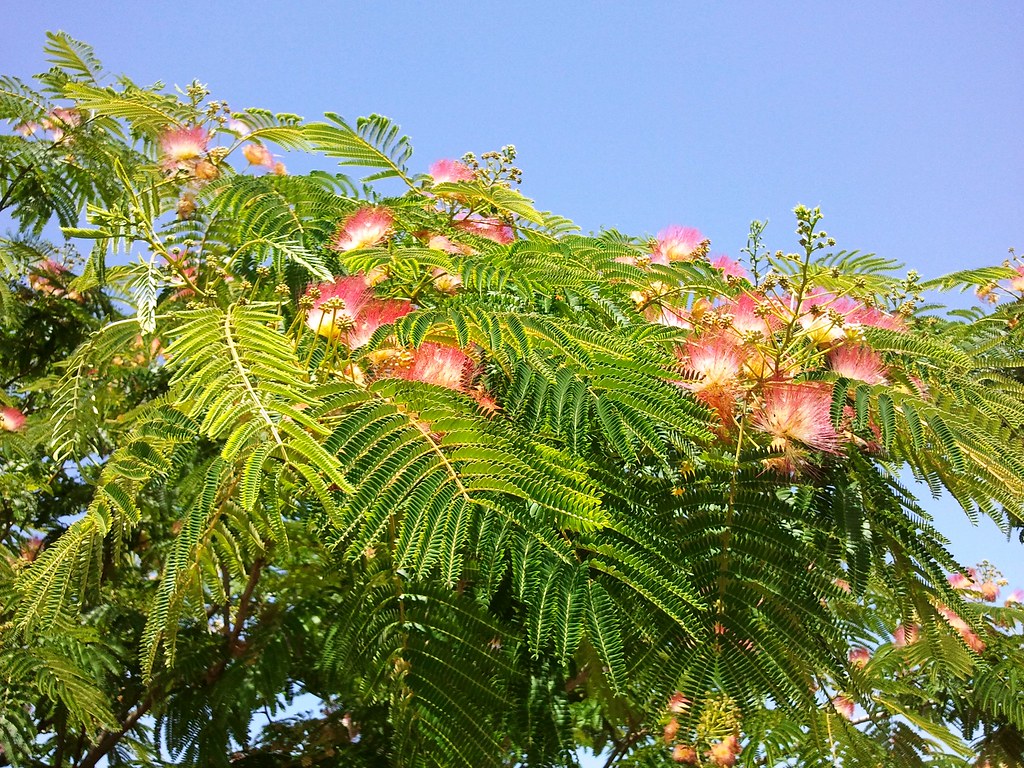

The Hardy Mimosas (Albizzia julibrissin var. rosea 'E.H. Wilson') are also in bloom with their powder puff flowers of vibrant pink.  Hummingbirds and butterflies love these lightly fragrant flowers and they can be seen north of the Visitor Center.
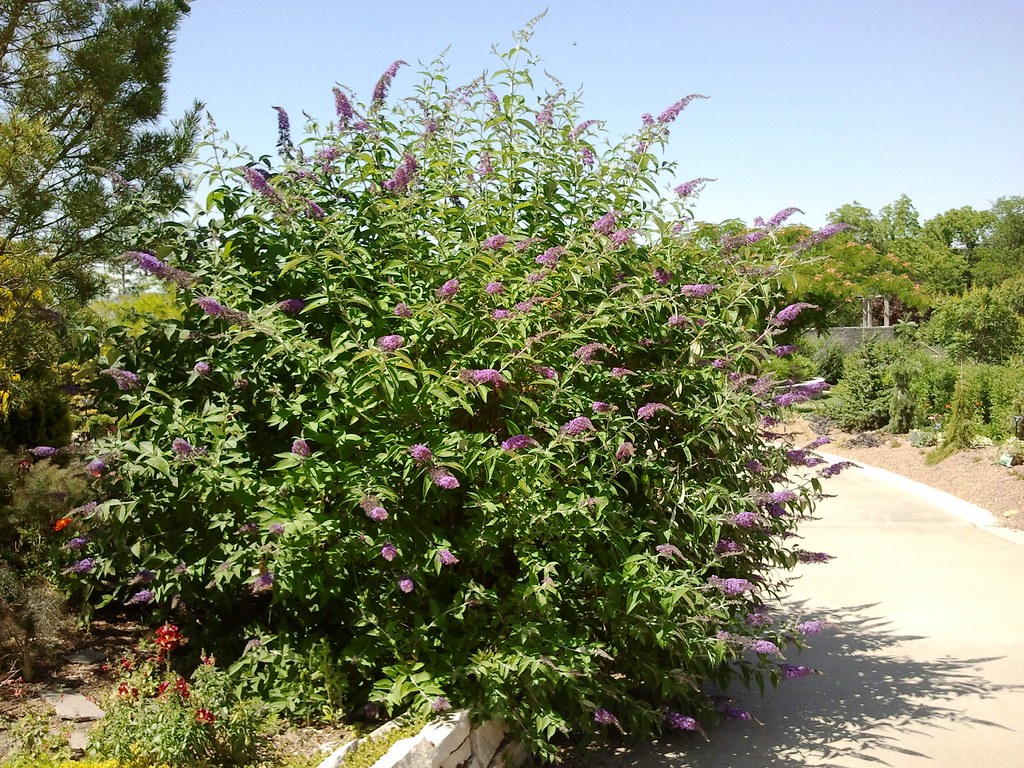

Butterfly Bushes (Buddleia davidii) have reached unprecedented sizes of 8 feet tall and 8 feet wide and are in FULL bloom already.  Watch for our flying flowers (butterflies) imbibing nectar from their wonderfully fragrant flowers throughout the gardens.
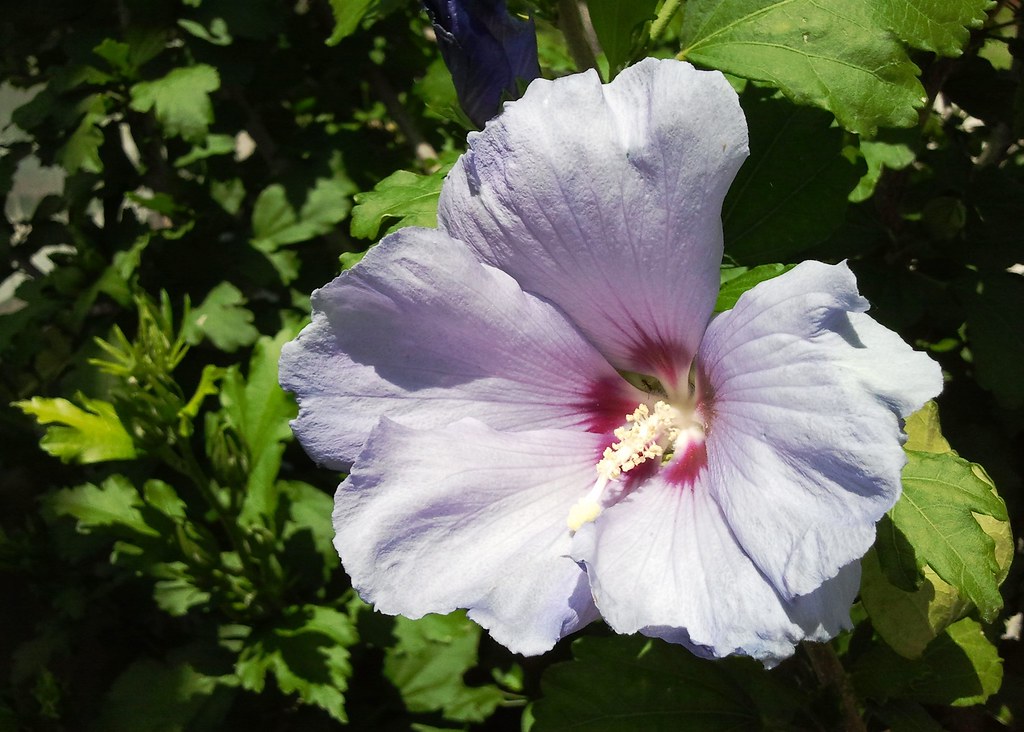
I was shocked to see the Rose-of-Sharons (Hibiscus syriacus) are already in bloom too.  This is the cultivar 'Bluebird' besides the Heartland Harvest Garden's Seed-to-Plate Greenhouse.  These flowers ARE edible and make a spectacular garnish to a summer plate or salad.
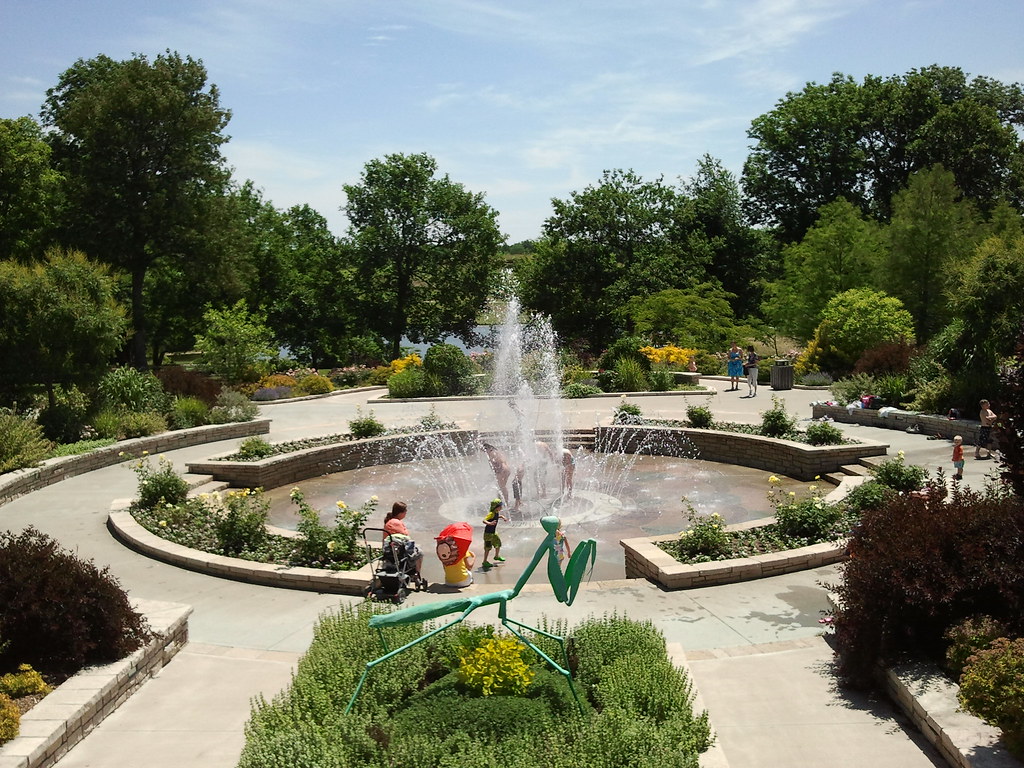
So come and savor the new summer season at Powell Gardens.  Even the Fountain Garden is already a favorite stop by our young visitors as a place to cool off and get wet after an adventure to experience all the Fairy Houses and Forts.

Wednesday, October 6, 2010

October Plants of the Heartland Harvest Garden

The fall garden season is upon us so come see the plants that thrive in the cool nights and occasionally frosty mornings. Many vegetables are at their prime in this season including: lettuce, mustard greens, spinach, cabbage, kale, broccoli, cauliflower, arugula and carrots.

The Menu or Potager Garden at the entrance to the Heartland Harvest Garden has 4 different beds of veggies: this one depicts 'Nagoya Garnish Red' Kale, 'Golden Frill' and 'Garnet Giant' Mustard Greens.

Heartland Harvest Garden staff have some home made signs to help visitors understand what they are seeing. Yes, Jack Frost is not always something to fear, it adds a delicious sweetness to many leafy vegetables! Stop and read the signs and you will get a quite a bonus of information that will enhance your visit.

Jack Frost did visit areas of Powell Gardens on Monday morning as the low was 35F but only in open locations of the garden. Much of the garden did not have frost so tender plants like this okra still look stunning.


Purple Hyacinth Beans are getting many questions from visitors now as they have both purple flowers and purple beans showing off their purplish leaves. This bean is also frost tender but was not harmed by Monday's frosts.

Perennials like Anise Hyssop (Agastache foeniculum) are still blooming: these edible flowers taste like licorice. The whole plant has this anise-like scent and can be used to make teas. The plant is most valuable as a nectar source that attracts all sorts of bees and other pollinating and beneficial insects. It does self sow but not obnoxiously so and is native to the Northeastern United States.

Pineapple Sage (Salvia elegans) is also a fall bloomer with the most tasty sweet flowers. The whole plant emits a pineapple-like aroma and also makes a good tea. This is a tender perennial -- often surviving our winters if planted in a sheltered site. The golden-leaved plant depicted is the cultivar 'Golden Delicious.'

This Rose in the Apple Celebration Court is a seedling of Njnveldt's White Rugosa Rose (Rosa rugosa) and is our best for hip (fruit) production with bigger and slightly sweet fruit. Its bloom is pristine white and probably our best edible rose flower too -- a wonderful floral taste with no bitterness.

Prairie Rose (Rosa setigera) has abundant fruit studding its spiny arching canes. All rose fruit are known as "rose hips" and are great for a vitamin C rich preserves or tea. Prairie Rose is a beautiful native shrub "wild rose" and is planted as a companion plant to the apples in the Apple Celebration Court.

Some roses don't produce hips but all have edible flowers. This unique climbing Rose 'Red Cascade' graces the salvaged barn doors that form the entrance to Rosalind Creasy's Author's Garden. The abundant but tiny (1" diameter) miniature roses make this disease resistant climbing rose the perfect companion to the classic red barn doors.

The pomegranates (Punica granatum) in the Vineyard Arbor have caused many reactions as most folks from Greater Kansas City never knew what kind of plant these fruit come from. YES, we have a long enough hot summer to ripen fresh pomegranates outdoors with no special care.

Here's the whole plant, pomegranates and all! The shrub (or small tree) is not quite hardy enough to make it through the worst of our winters so we have them in pots and take them to a cool greenhouse. They can remain outdoors until temperatures as low as 20F or even colder make them go dormant. You too can grow them at home in a sunny locale and bring them in to a cool garage, basement or bright, cool room and bring them back outdoors in early spring. The spring flowers are very showy and bright scarlet. Fruit will ripen by fall and can give you fruit filled with those beneficial anti-oxidants!

The gorgeous 'Taylor' Junipers (aka redcedar Juniperus virginiana) around the Vineyard Arbor have become nicely established after just one year. We chose this Nebraska variety of our native Redcedar because it looks the most like the elegant tall Italian Cypresses which give a Mediterranean "paradise" feel but are not hardy in our climate. Special thanks Marvin Snyder for donating these plants to us and to Dale Goetz for going to pick them up from Taylor Nursery in Nebraska. They are now becoming available at local nurseries too as it is such a great plant for our region. Junipers are either male or female and Taylor is a female cultivar so does produce the beautiful blue edible "berries" (they are actually modified cones). The berries of Taylor are a bit sweet with a strong gin after taste -- yes true gin is flavored by Juniper berries!

Behind the "wall" of Taylor Junipers are Korean Pines (Pinus koraiensis) also provided by Marvin Snyder. Korean Pines are probably the world's most productive nut pine, similar to the better known Pinjon of the American Southwest. In future years we should be able to collect an abundance of delicious pine nuts from the cones of these beautiful trees.

This lovely pyramidal small tree is a Trazel. What's a trazel? It's a type of hazelnut that is a hybrid between the European Hazel (Corylus avellana the shrub that produces the popular nut) and the Turkish Hazel (Corylus colurna) which is a actually a tree! The combination creates a small, multi-trunked pyramidal small tree that so far has been a real nice landscape plants to the west side of the Vineyard. This hybrid also DOES produce good nuts and ours were all gathered up and served on Sunday night's Under a Harvest Moon dinner. Delicious!

The trunks of Trazel are already starting to show the corky ridges that are so indicative of the Turkish Hazel tree. We think this hybrid has much potential as a superior edible landscape plant and it is available from a few mailorder sources.
On your next visit to Powell Gardens be sure and check out these and other inspiring edible plants in the Heartland Harvest Garden. With its nearly 3,000 types of plants, there is no finer place to learn about where our rich variety of food originates! It's not the grocery store but from these marvelous plants that are as beautiful as they are delicious. The garden is designed and planted to be colorful and productive at least through Thanksgiving so there are still nearly 8 more weeks of productivity to inspire.

Thursday, July 15, 2010

Explore other Fun Foods during your Sweet Corn Festival Visit

The Heartland Harvest Garden will host the Sweet Corn Festival on Saturday (July 17) but be sure and spend some time exploring the garden for other great food plants. Kudos to Matt Bunch and his leadership of the team that makes this garden grow!

This tempting apple is a ripening Zestar Apple. Please refrain from picking these beauty so they can be harvested at the proper time.

Step back and you can see our Gardener Barbara Fetchenhier has masterfully trained the Zestar apples into a Belgian fence. Get many great ideas for backyard fruit in the Missouri Star Orchard portion of the Heartland Harvest Garden.


The Asian Pears (Pyrus pyrifolia) are also beginning to ripen and offer up delicious crisp fruit. This pear is 'Chojuro' a Japanese selection and the tree has produced abundant fruit this year. Watch for these in a week or so at the tasting stations.

Peaches are ripening on the trees as well, some early varieties are past but many more are yet to ripen. These are ripening Reliance Peaches weighing down the branches. We did thin peaches to allow 6-8" of space around each fruit and prevent trees from breaking under the weight of abundant fruit.

Yum! Don't these plums look wonderful? These are Toka Plums which is a hybrid between our wild plum and the Japanese Plum. None are quite ripe as a fully ripe plum is soft and purplish red on this variety.

Blackberries are starting to ripen: only the black fruit are fully ripe.

Blackberry bushes are best grown trained on trellises. Look for many varieties in the Missouri Star Orchard Quilt Garden. Some blackberries can grow canes 12 feet long.

Watch for these signs in the garden to enter our Giants of the Backyard Contest by guessing how large each of these extraordinary vegetables will grow this season. Ballots are available in Good Earth Gifts in the Missouri Barn. Depicted is the Yard Long Noodle Bean -- how long will it grow?

The corn in this picture is popcorn and the plant in the foreground is a marsh mallow. Hmmm -- these fun foods originate from plants! Let the young (and old?) folk figure this one out.

The salvaged and donated corn crib is at the center of the Fun Foods in Fun Foods Farm south of the barn. Beneath this iconic structure you will see everything that forms and flavors fun foods from bananas to coconut, passionfruit, papaya, spearmint, peppermint, cinnamon and the source of chewing gum. By the way, we've had visitors ask how corn was stored in this open wire structure: corn used to be harvested and stored while still on the cob!

The little yellow pea flowers on this plant are the beginnings of peanuts. How do peanuts end up underground?

The Basil Bed section of Rosalind Creasy's Authors Garden is a great place to smell the wondrous array of basil that grows well in our gardens. We don't want you to pick but we don't mind that you rub the leaves of basils, mints and other herbs to enjoy their aromas.

The companion plants along the Pear Promenade are full of blooms now and an accompanying menagerie of pollinators and other beneficial insects. STOP and take a look at all the activity of insects on the Pennyroyal (foreground), Short-toothed Mountain-Mint (mid) and Pineapple Mint (left). There are countless honeybees, sweat bees, thread-waisted wasps, feather-legged flies, many species of butterflies, bumblebees and more -- I guarantee you won't get stung just taking a look. You will be amazed at the diversity of creatures that help us maintain our Heartland Harvest Garden!

A Black Swallowtail caterpillar consumes some of our dill in Rosalind's Garden. We share many of our plants with such creatures so they will pollinate the flowers when they become a butterfly and otherwise enrich our garden experience. Remember to come back and visit Powell Gardens during the Festival of Butterflies on August 6-8 and 13-15 to see this caterpillar all grown up. Enjoy the sweet corn this weekend, but be sure to visit the rest of the tasty treats in the Heartland Harvest Garden and the beautiful eye candy throughout the rest of Powell Gardens. Waterlilies and Hydrangeas are simply fabulous now on the Island Garden while Hardy Hibiscus and various Black-eyed-Susans steal the show in the Perennial Garden.


Friday, June 18, 2010

Berrilicious Days in the Heartland Harvest Garden

It's soon to be Father's Day weekend but Sunday is also Berry Berry Day! at Powell Gardens. If you want to see and taste everything from late ripening strawberries to red & black raspberries, dewberries, blackberries, blueberries and black, red and white currants a trip to Powell Gardens this weekend is sure to deliver.

Volunteer Bob Hathaway picks Black Raspberries in the Missouri Star Orchard Quilt Garden. Only staff and volunteers are allowed to pick fruit for tasting stations, Cafe Thyme and Cafe Fresh and for visitors to the weekends festivities. Please refrain from the temptation! The fruit will be there for you to sample at the Tasting Stations and in the Cafes.


Black Raspberries (Rubus occidentalis) in Bob's container depict one of the many types of berries in the Genus Rubus which also contains the Blackberries, Dewberries, Red Raspberries and their hybrids. Black Raspberry is native at Powell Gardens and throughout Greater Kansas City but three select cultivars are growing in the HHG: 'Bristol', 'Jewel' & 'Mac Black'; all selected for superior fruit production and disease resistance compared to their wild cousins.

Red Raspberries (Rubus idaeus hybrids) can be a challenge in our climate but this season's copious rainfall and moderate temperatures have allowed their first crop to be wonderful! This is Lauren Red Raspberry, selected for great flavor and fruit over a long season. Most Red Raspberries have a second crop in our cooler fall that is more reliable in our hot summer climate zone. We purposely selected early ripening varieties so that the first crop would be produced before our usual summer heat waves.


Blackberries fresh from the garden are an experience all should have! This Prime Jim Blackberry is large and luscious so be sure and taste the blackberries during your visit.

Here is a "floricane" stem of a Prime Jim Blackberry in the Missouri Star Orchard Quilt Garden. That cane grew last year and was tied to a trellis and bloomed this season to produce ripe fruit now.

Prime Jim Blackberry is a breakthrough in blackberry breeding because it is one of only two cultivars now on the market that will have new summer canes of flowers for fruiting later this season. These secondary canes are called "primocanes." Blackberries have beautiful white flowers, delicious and colorful fruit that go from green to red and black when ripe and then their fall color can be outstanding shades of red in late fall. Blackberries are a fundamental Edible Landscape plant but remember many cultivars like Prime Jim are thorny.

Red Lake Currants (Ribes sativum) are translucent red jewels of tart flavor, cherished for baking special torts and pastries.

Red Currants are from a more northern climate but have been stellar performers the past couple seasons of abundant rainfall and moderate temperatures. They are simply stunning shrubs while in fruit now. They do lose their leaves prematurely so plant them accordingly (not a good front door shrub in the edible landscape).

Black Currants (Ribes nigrum) have fruit that is not so showy but European visitors to the garden always are thrilled to see them! (Yes, I've had 3 such visitors already relay that message to me this year!) Cherished across the pond, this shrub is little known or grown in America's Heartland. Come see and taste for yourself!

The Blueberry crop is ripening well and a bumper crop is upon us. This Bluecrop Highbush Blueberry (Vaccinium corymbosum) is a classic performer in our climate. Blueberries make awesome edible landscape subjects with beautiful white, urn-shaped flowers in spring, the gorgeous and tasty fruit in summer and fall color that is among the best of all shrubs. Blueberries do require a soil rich in organic matter on the acid side so amend your soil before planting them. Use peat moss or Beats Peat for organic matter and fertilize with something listed for azaleas, rhododendrons or camellias to help acidify the soil.

Again, leave the picking of blueberries to us: this cluster is not quite ripe!

We have been growing the new Minnesota Series blueberries which are hybrids between the standard eastern native Highbush Blueberry (Vaccinium corymbosum) and the flavorful northern wild Lowbush Blueberry (Vaccinium angustifolium). This is St. Cloud Blueberry, named after the city in Minnesota; it has very delicious blueberries!

Here you can see another of the Minnesota Series Blueberries: 'Northcountry.' These shrubs are smaller but just as berry-studded as others so have value in the front of the border or where you don't have space for a larger shrub. Tasting Stations will allow you to taste several varieties of blueberries -- you be the judge on flavor.

Our mulberry crop is about over but you can see a Eastern Kingbird checking out the last of the crop in this little weeping mulberry tree in Fun Food Farm. We have netting to keep birds away from our berries but so far we have comfortably shared the bounty of the garden.

Berries? Nope, this is a NUT! The maturing hazelnuts almost look berry-like right now. I was surprised to see this Hazelnut (Corylus avellana) cultivar 'Heterophylla' (which means cut-leaf) has very short husks so that the nut really shows now while other hazelnut varieties are more hidden in their husk. Another reason to abstain from picking because you could accidentally remove a cherished crop meant for a later time.

I know the forecast for the weekend is for hot and muggy but these hazy days of summer are great for a lazy stroll through Powell Gardens. The Vineyard in the morning haze with Hyssop in full bloom beneath the grapes is worth the trip alone. But be sure and taste the berries and other bounty from the garden. You can cool off with a splash in the Fountain Garden before you leave too!